For Vets:

8 Household Dangers For Dogs: Guide For Pet Owners
8 Household Dangers For Dogs: Guide For Pet Owners
Mar 21, 2025

8 Household Dangers For Dogs: Guide For Pet Owners
Mar 21, 2025
8 Household Dangers For Dogs: Guide For Pet Owners
Mar 21, 2025
Dogs are naturally inquisitive animals, and their curiosity can often lead them to explore various items within a home. However, this exploratory behaviour can potentially expose them to numerous hazards that are commonly found in a household. As responsible pet owners, it is crucial to be aware of these dangers and take proactive measures to ensure the safety of our furry friends.
Common Household Dangers
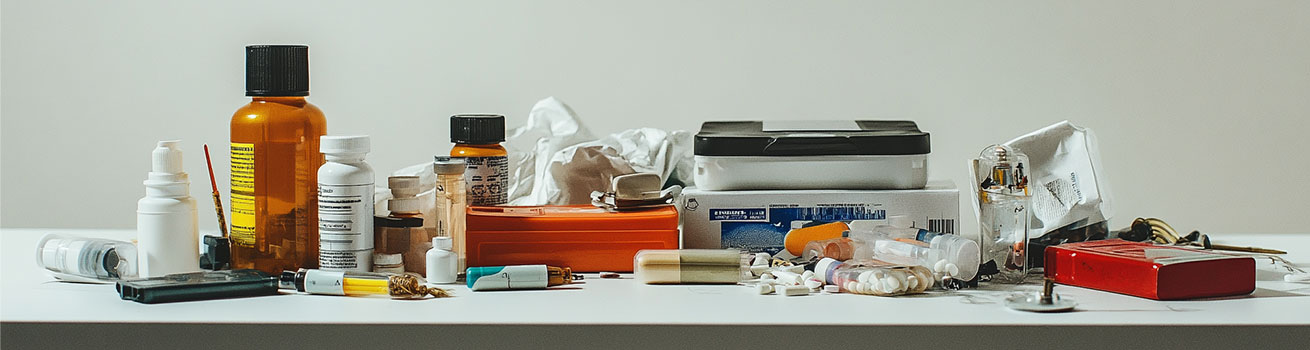
Dogs may often chew on unsafe items or attempt to access areas that could compromise their well-being. To create a secure environment, here are some of the most common household hazards that owners should look out for:
1. Pesticides and Insecticides
Any tool used to kill pests, such as bug sprays, ant bait, and rat poison, can be poisonous for pets. In particular, dogs exposed to pyrethrin and pyrethroid insecticides (found in household bug sprays, flea products, and gardening products) may develop symptoms within an hour, including excessive drooling, gagging, vomiting, and agitation.
Dogs that are especially sensitive to pyrethrins or pyrethroids or consume a large or concentrated amount of these substances, may experience more serious symptoms. These can include tremors, muscle twitching, shaking, difficulty standing or walking, weakness, seizures, and in rare cases, death.
2. Human Medication
Pets can accidentally consume medications through various means—from tablets dropped on kitchen floors to topical treatments ingested through affectionate licking. Here are some common human medications that are toxic to pets:
- Paracetamol: Often found in painkillers like Panadol, this substance is harmful and can cause a range of adverse effects. These include immediate symptoms like a faster heart rate, vomiting, facial and paw swelling, as well as potentially fatal delayed liver failure that might not show signs for several days.
- Nonsteroidal anti-inflammatory drugs (NSAIDs): Human NSAIDs, such as ibuprofen or aspirin, when ingested, can damage a dog's stomach lining, resulting in vomiting, bloody stool, and ulcers in their gut.
- Sleep medications: Human sleep aids like Xanax, Ambien, and Valium are toxic to dogs. Ingestion can cause lethargy, dangerously slowed breathing, and incoordination. Some dogs may also exhibit severe agitation.
- Psoriasis creams: Psoriasis creams containing vitamin D derivatives pose a serious risk to dogs if ingested. These compounds increase calcium absorption from the intestines and enhance calcium resorption from the bones, leading to hypercalcemia. Symptoms like weakness, vomiting, diarrhoea, and increased thirst typically appear within 24 to 72 hours after exposure. As calcium levels rise, your dog may also experience seizures, muscle spasms, kidney failure, heart issues, and soft tissue calcification.
If your pet accidentally ingests these chemicals, please seek medical attention immediately.
3. Houseplants and Flowers
Some pets have a tendency to eat or chew on plants. If you keep houseplants, keep in mind that certain plant and flower species are toxic to animals, either through ingestion of the plant or through close contact with the pollen.
Common houseplants that are toxic to dogs include snake plants, money plants, and aloe vera, along with garden flowers like lilies, tulips, and daffodils. Ingestion of these plants can result in gastrointestinal upset, lethargy and other organ-related issues.
4. Certain Foods
Certain human foods are toxic to dogs and can cause vomiting, diarrhoea, and even death. Be careful not to leave scraps on the table within your pet's reach. Food items like bones could get lodged in your pet's throat or even cause a rupture in their digestive tract. Some toxic foods for dogs include:
- Chocolate
- Coffee and caffeine
- Alcohol
- Onions and scallions
- Macadamia nuts
- Grapes (including raisins, sultanas, and currants)
- Oily, salty, and fatty foods
- Xylitol (a sugar substitute commonly found in sugar-free products like gum and candy)
In general, a pet owner should avoid feeding them human food unless they know that it's healthy. Owners should research toxic food for pets and ensure they keep them out of the food bowl.
5. Batteries
Dogs may swallow or chew alkaline batteries from watches, toys, and electronics, which can leak highly toxic acid and cause severe burns in the mouth. These batteries could also obstruct their esophagus or trachea, so you should watch for warning signs like troubled swallowing, excessive drooling, laboured breathing, oral/abdominal pain, vomiting, and unusual lethargy.
6. Glue and Adhesives
Certain expanding glues and adhesives (like some Gorilla Glue products) can create dangerous stomach obstructions in pets when ingested, as they react with digestive fluids to form solid masses — even ½ teaspoon can block the digestive tract. Warning signs include vomiting, appetite loss, abdominal pain, and lethargy. While dried glue is less hazardous, fumes can irritate airways, especially in pets with respiratory conditions. Any significant ingestion requires immediate veterinary care.
7. Household Cleaners
Pet owners should be aware that there are certain household cleaning products that contain concentrated chemicals that are toxic to dogs, such as:
- Ammonia (e.g. window cleaners)
- Bleach (e.g. disinfectants)
- Formaldehyde (e.g. multi-purpose cleaners, air fresheners)
- Alkaline substances (e.g. oven cleaners)
For your pet's safety, all chemicals and cleaning products should be stored in secure cabinets or high shelves that are completely inaccessible to curious paws and noses.
8. Bags or Containers
Pets often enjoy playing with empty grocery bags, snack packaging, and plastic containers, but this poses significant suffocation risks if your dog becomes trapped or entangled. To prevent accidents, serve snacks in bowls rather than directly from bags, modify bags before disposal by cutting along one side and the bottom, and tie bags into knots before throwing them away.
Ensuring Your Dog’s Safety
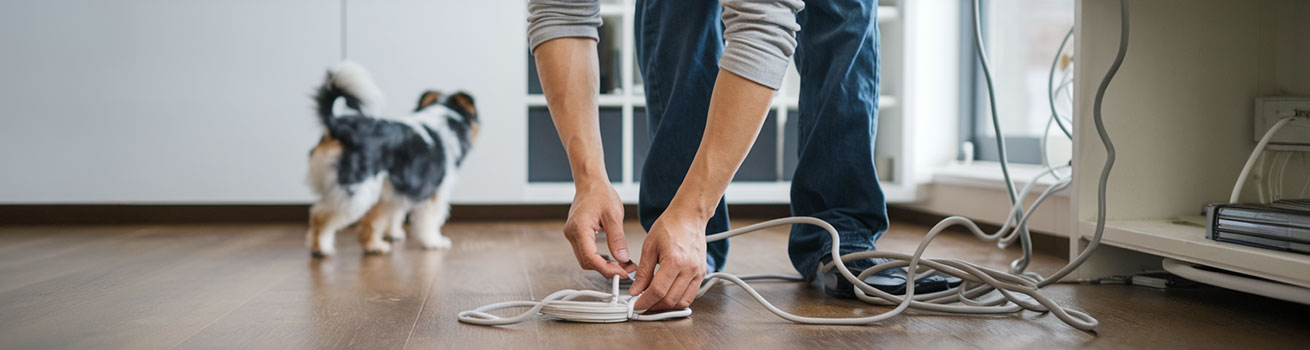
By being aware of these common household dangers, you can proactively safeguard your dog’s health and well-being. A little vigilance goes a long way in keeping your pet safe from potential hazards. Always keep toxic substances out of reach, and if you suspect your dog has ingested something harmful, seek immediate veterinary assistance.
Creating a pet-friendly home is an essential part of responsible pet ownership. With the right precautions, you can ensure your dog thrives in a safe environment.
Keep reading
Keep reading
Keep reading
Dogs are naturally inquisitive animals, and their curiosity can often lead them to explore various items within a home. However, this exploratory behaviour can potentially expose them to numerous hazards that are commonly found in a household. As responsible pet owners, it is crucial to be aware of these dangers and take proactive measures to ensure the safety of our furry friends.
Common Household Dangers
Dogs may often chew on unsafe items or attempt to access areas that could compromise their well-being. To create a secure environment, here are some of the most common household hazards that owners should look out for:
1. Pesticides and Insecticides
Any tool used to kill pests, such as bug sprays, ant bait, and rat poison, can be poisonous for pets. In particular, dogs exposed to pyrethrin and pyrethroid insecticides (found in household bug sprays, flea products, and gardening products) may develop symptoms within an hour, including excessive drooling, gagging, vomiting, and agitation.
Dogs that are especially sensitive to pyrethrins or pyrethroids or consume a large or concentrated amount of these substances, may experience more serious symptoms. These can include tremors, muscle twitching, shaking, difficulty standing or walking, weakness, seizures, and in rare cases, death.
2. Human Medication
Pets can accidentally consume medications through various means—from tablets dropped on kitchen floors to topical treatments ingested through affectionate licking. Here are some common human medications that are toxic to pets:
- Paracetamol: Often found in painkillers like Panadol, this substance is harmful and can cause a range of adverse effects. These include immediate symptoms like a faster heart rate, vomiting, facial and paw swelling, as well as potentially fatal delayed liver failure that might not show signs for several days.
- Nonsteroidal anti-inflammatory drugs (NSAIDs): Human NSAIDs, such as ibuprofen or aspirin, when ingested, can damage a dog's stomach lining, resulting in vomiting, bloody stool, and ulcers in their gut.
- Sleep medications: Human sleep aids like Xanax, Ambien, and Valium are toxic to dogs. Ingestion can cause lethargy, dangerously slowed breathing, and incoordination. Some dogs may also exhibit severe agitation.
- Psoriasis creams: Psoriasis creams containing vitamin D derivatives pose a serious risk to dogs if ingested. These compounds increase calcium absorption from the intestines and enhance calcium resorption from the bones, leading to hypercalcemia. Symptoms like weakness, vomiting, diarrhoea, and increased thirst typically appear within 24 to 72 hours after exposure. As calcium levels rise, your dog may also experience seizures, muscle spasms, kidney failure, heart issues, and soft tissue calcification.
If your pet accidentally ingests these chemicals, please seek medical attention immediately.
3. Houseplants and Flowers
Some pets have a tendency to eat or chew on plants. If you keep houseplants, keep in mind that certain plant and flower species are toxic to animals, either through ingestion of the plant or through close contact with the pollen.
Common houseplants that are toxic to dogs include snake plants, money plants, and aloe vera, along with garden flowers like lilies, tulips, and daffodils. Ingestion of these plants can result in gastrointestinal upset, lethargy and other organ-related issues.
4. Certain Foods
Certain human foods are toxic to dogs and can cause vomiting, diarrhoea, and even death. Be careful not to leave scraps on the table within your pet's reach. Food items like bones could get lodged in your pet's throat or even cause a rupture in their digestive tract. Some toxic foods for dogs include:
- Chocolate
- Coffee and caffeine
- Alcohol
- Onions and scallions
- Macadamia nuts
- Grapes (including raisins, sultanas, and currants)
- Oily, salty, and fatty foods
- Xylitol (a sugar substitute commonly found in sugar-free products like gum and candy)
In general, a pet owner should avoid feeding them human food unless they know that it's healthy. Owners should research toxic food for pets and ensure they keep them out of the food bowl.
5. Batteries
Dogs may swallow or chew alkaline batteries from watches, toys, and electronics, which can leak highly toxic acid and cause severe burns in the mouth. These batteries could also obstruct their esophagus or trachea, so you should watch for warning signs like troubled swallowing, excessive drooling, laboured breathing, oral/abdominal pain, vomiting, and unusual lethargy.
6. Glue and Adhesives
Certain expanding glues and adhesives (like some Gorilla Glue products) can create dangerous stomach obstructions in pets when ingested, as they react with digestive fluids to form solid masses — even ½ teaspoon can block the digestive tract. Warning signs include vomiting, appetite loss, abdominal pain, and lethargy. While dried glue is less hazardous, fumes can irritate airways, especially in pets with respiratory conditions. Any significant ingestion requires immediate veterinary care.
7. Household Cleaners
Pet owners should be aware that there are certain household cleaning products that contain concentrated chemicals that are toxic to dogs, such as:
- Ammonia (e.g. window cleaners)
- Bleach (e.g. disinfectants)
- Formaldehyde (e.g. multi-purpose cleaners, air fresheners)
- Alkaline substances (e.g. oven cleaners)
For your pet's safety, all chemicals and cleaning products should be stored in secure cabinets or high shelves that are completely inaccessible to curious paws and noses.
8. Bags or Containers
Pets often enjoy playing with empty grocery bags, snack packaging, and plastic containers, but this poses significant suffocation risks if your dog becomes trapped or entangled. To prevent accidents, serve snacks in bowls rather than directly from bags, modify bags before disposal by cutting along one side and the bottom, and tie bags into knots before throwing them away.
Ensuring Your Dog’s Safety
By being aware of these common household dangers, you can proactively safeguard your dog’s health and well-being. A little vigilance goes a long way in keeping your pet safe from potential hazards. Always keep toxic substances out of reach, and if you suspect your dog has ingested something harmful, seek immediate veterinary assistance.
Creating a pet-friendly home is an essential part of responsible pet ownership. With the right precautions, you can ensure your dog thrives in a safe environment.
Keep reading
Keep reading
Keep reading
Follow us on Instagram
Follow us on Instagram