For Vets:

Share this article
Respiratory Problems in Guinea Pigs
Respiratory Problems in Guinea Pigs
Share this article
Respiratory Problems in Guinea Pigs
Respiratory Problems in Guinea Pigs
Share this article
Did you know your guinea pig can get a cold, just like you? Guinea pigs are particularly susceptible to a bacteria called Bordetella bronchiseptica. This bacteria causes a respiratory tract infection in guinea pigs, dogs, and (much less commonly) people, cats, pigs, hamsters, chinchillas, and rabbits. Guinea pigs often get Bordetella infection after a period of stress.
Signs and symptoms are fairly similar to respiratory tract infection in any species, including us. These include sneezing, coughing, nasal discharge and congestion, wheezing, difficulty breathing, decreased appetite, and sometimes increased eye discharge. It is normally treated with antibiotics and supportive care like assisted feeding of liquefied diets. For individuals who are severely affected with pneumonia (lung infection) or have difficulty breathing, nebulisation and/or usage of asthma inhalers to deliver medication directly to the lungs may be necessary.
If you suspect your guinea pig has a cold or cough, bring your pet to the vet immediately.
A simple cold, left untreated, can become very difficult to cure. In severe cases, the infection travels to the lower airways of the lungs and becomes bronchitis or pneumonia. It can only be managed with course upon course of medication and your pet may succumb to the infection.
How To Prevent Your Guinea Pig From Contracting Bordetella?
- House your guinea pig in a clean, well-ventilated enclosure away from drafts or strong wind. A windy or stuffy area increases stress level and weakens your guinea pig’s resistance to disease.
- Provide a balanced diet supplemented with Vitamin C. Like humans, guinea pigs cannot make their own Vitamin C. They should receive 25 to 30mg of Vitamin C daily to prevent scurvy which causes poor skin & coat health, swollen joints, brittle bones, and weak immune system.
- Avoid exposure to other pets, especially dogs who are having respiratory tract infections. In dogs, Bordetalla is called ‘kennel cough’. Rabbits, cats, and humans sometimes carry Bordetella in their airways without getting sick. Avoid kissing your guinea pigs. Wash your hands before and after handling them to avoid passing on the disease.
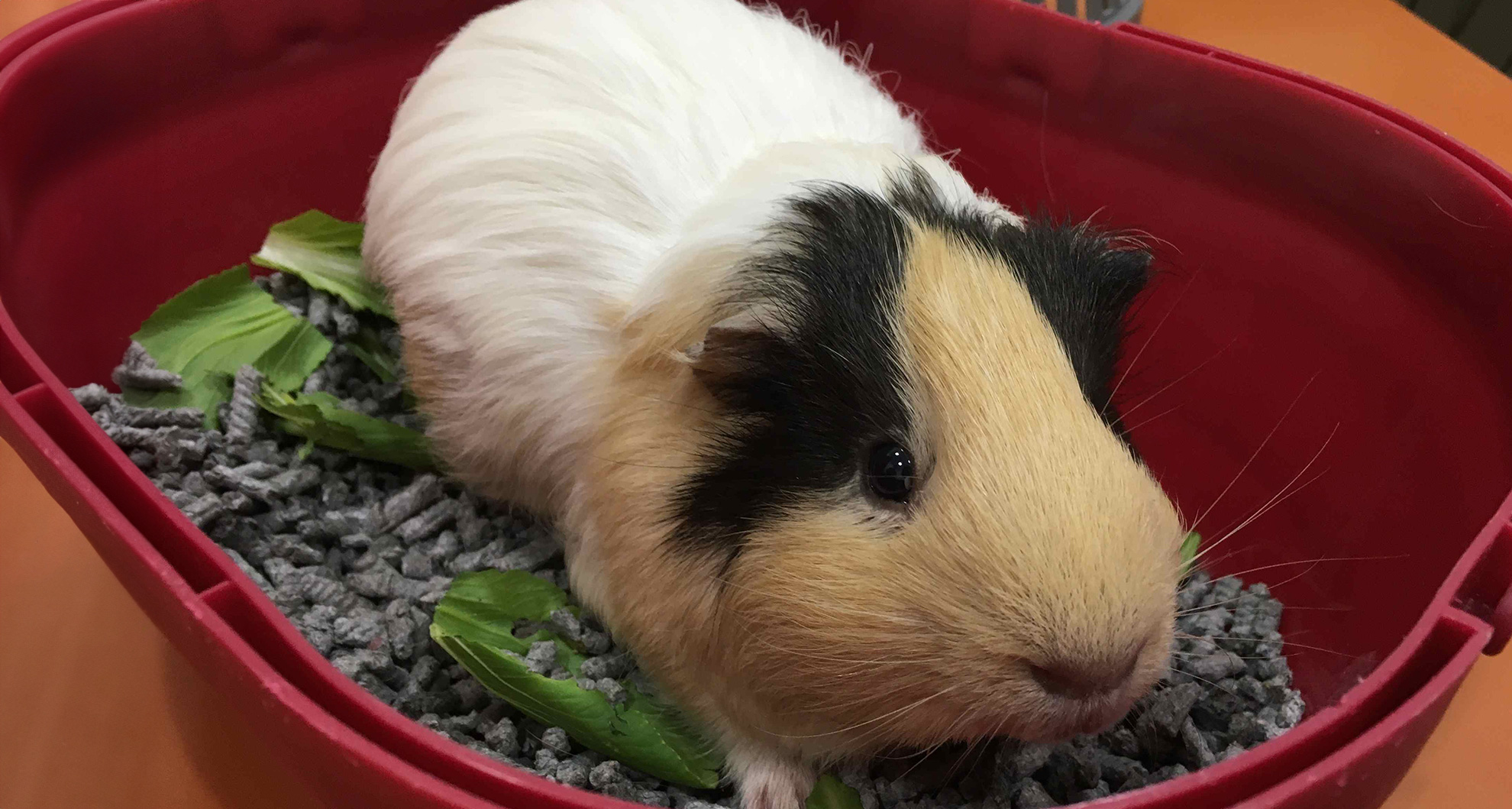
- When buying or adopting, look out for guinea pigs that are active, in reasonable body condition (not skinny or bony) with healthy coats and no eye or nasal discharge.
Dr. Sarah Wong, Mount Pleasant East
Keep Reading
Keep Reading
Keep Reading
Did you know your guinea pig can get a cold, just like you? Guinea pigs are particularly susceptible to a bacteria called Bordetella bronchiseptica. This bacteria causes a respiratory tract infection in guinea pigs, dogs, and (much less commonly) people, cats, pigs, hamsters, chinchillas, and rabbits. Guinea pigs often get Bordetella infection after a period of stress.
Signs and symptoms are fairly similar to respiratory tract infection in any species, including us. These include sneezing, coughing, nasal discharge and congestion, wheezing, difficulty breathing, decreased appetite, and sometimes increased eye discharge. It is normally treated with antibiotics and supportive care like assisted feeding of liquefied diets. For individuals who are severely affected with pneumonia (lung infection) or have difficulty breathing, nebulisation and/or usage of asthma inhalers to deliver medication directly to the lungs may be necessary.
If you suspect your guinea pig has a cold or cough, bring your pet to the vet immediately.
A simple cold, left untreated, can become very difficult to cure. In severe cases, the infection travels to the lower airways of the lungs and becomes bronchitis or pneumonia. It can only be managed with course upon course of medication and your pet may succumb to the infection.
How To Prevent Your Guinea Pig From Contracting Bordetella?
- House your guinea pig in a clean, well-ventilated enclosure away from drafts or strong wind. A windy or stuffy area increases stress level and weakens your guinea pig’s resistance to disease.
- Provide a balanced diet supplemented with Vitamin C. Like humans, guinea pigs cannot make their own Vitamin C. They should receive 25 to 30mg of Vitamin C daily to prevent scurvy which causes poor skin & coat health, swollen joints, brittle bones, and weak immune system.
- Avoid exposure to other pets, especially dogs who are having respiratory tract infections. In dogs, Bordetalla is called ‘kennel cough’. Rabbits, cats, and humans sometimes carry Bordetella in their airways without getting sick. Avoid kissing your guinea pigs. Wash your hands before and after handling them to avoid passing on the disease.
- When buying or adopting, look out for guinea pigs that are active, in reasonable body condition (not skinny or bony) with healthy coats and no eye or nasal discharge.
Dr. Sarah Wong, Mount Pleasant East
Keep Reading
Keep Reading
Keep Reading
Did you know your guinea pig can get a cold, just like you? Guinea pigs are particularly susceptible to a bacteria called Bordetella bronchiseptica. This bacteria causes a respiratory tract infection in guinea pigs, dogs, and (much less commonly) people, cats, pigs, hamsters, chinchillas, and rabbits. Guinea pigs often get Bordetella infection after a period of stress.
Signs and symptoms are fairly similar to respiratory tract infection in any species, including us. These include sneezing, coughing, nasal discharge and congestion, wheezing, difficulty breathing, decreased appetite, and sometimes increased eye discharge. It is normally treated with antibiotics and supportive care like assisted feeding of liquefied diets. For individuals who are severely affected with pneumonia (lung infection) or have difficulty breathing, nebulisation and/or usage of asthma inhalers to deliver medication directly to the lungs may be necessary.
If you suspect your guinea pig has a cold or cough, bring your pet to the vet immediately.
A simple cold, left untreated, can become very difficult to cure. In severe cases, the infection travels to the lower airways of the lungs and becomes bronchitis or pneumonia. It can only be managed with course upon course of medication and your pet may succumb to the infection.
How To Prevent Your Guinea Pig From Contracting Bordetella?
- House your guinea pig in a clean, well-ventilated enclosure away from drafts or strong wind. A windy or stuffy area increases stress level and weakens your guinea pig’s resistance to disease.
- Provide a balanced diet supplemented with Vitamin C. Like humans, guinea pigs cannot make their own Vitamin C. They should receive 25 to 30mg of Vitamin C daily to prevent scurvy which causes poor skin & coat health, swollen joints, brittle bones, and weak immune system.
- Avoid exposure to other pets, especially dogs who are having respiratory tract infections. In dogs, Bordetalla is called ‘kennel cough’. Rabbits, cats, and humans sometimes carry Bordetella in their airways without getting sick. Avoid kissing your guinea pigs. Wash your hands before and after handling them to avoid passing on the disease.
- When buying or adopting, look out for guinea pigs that are active, in reasonable body condition (not skinny or bony) with healthy coats and no eye or nasal discharge.
Dr. Sarah Wong, Mount Pleasant East
Keep Reading
Keep Reading
Keep Reading
Follow us on Instagram
Follow us on Instagram