For Vets:

Share this article
Managing Pain in Our Pets
Managing Pain in Our Pets
Share this article
Managing Pain in Our Pets
Managing Pain in Our Pets
Share this article
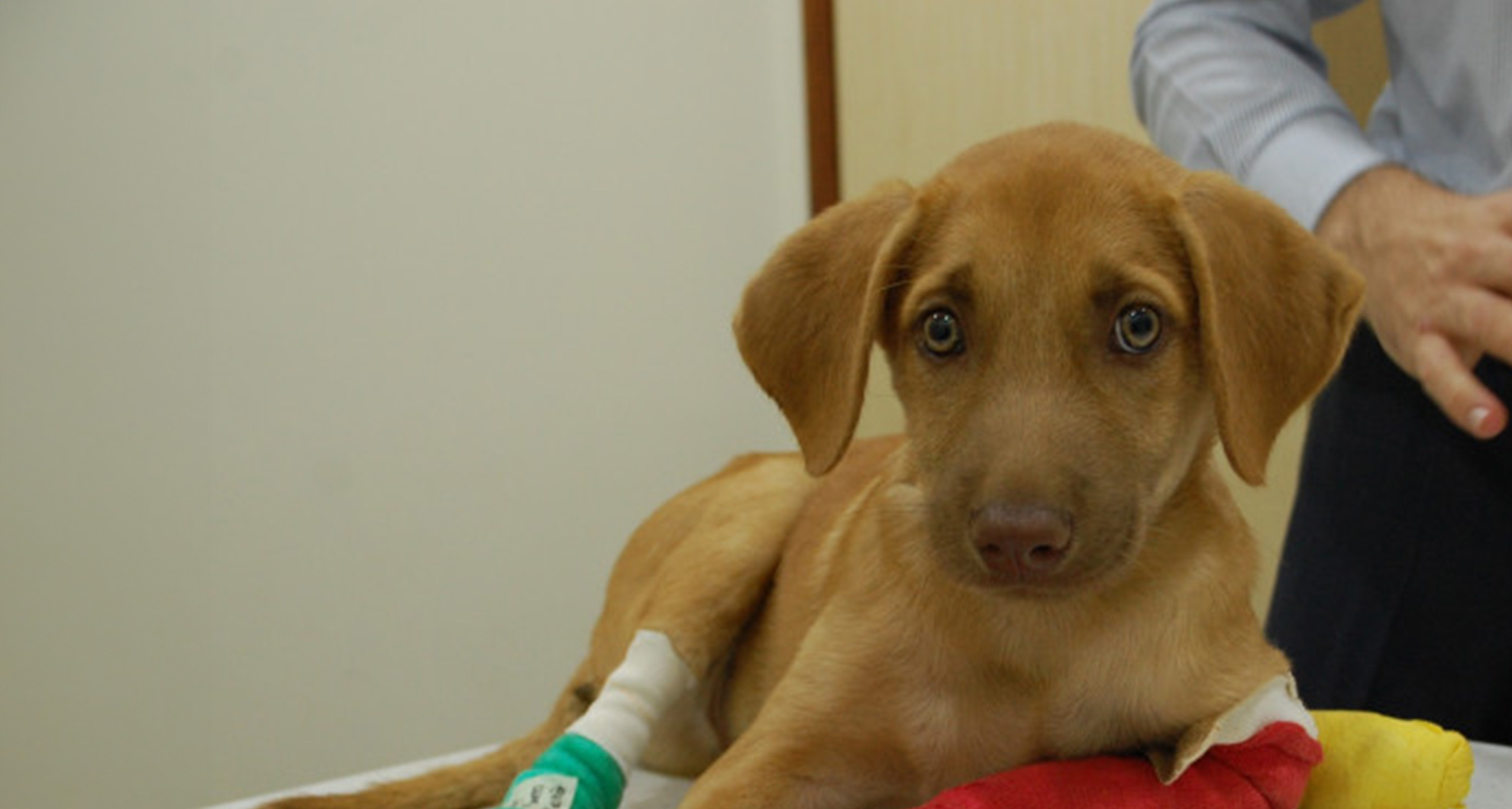
Our pets may feel pain when they are sick or injured. However, recognising pain can be challenging as animals instinctively hide their pain and exhibit symptoms differently from us. It is important to understand species differences and observe our pets’ behaviour to know if they are hurting.
Pain can be caused by:
- Physical trauma, e.g., falling from a height or being hit by a car
- Disease or illness of internal organs, e.g., pancreatitis and blocked urethra
- Surgical procedures, e.g., sterilisation or bone surgery
- Spinal problem, e.g., intervertebral disc disease
- Degenerative changes, e.g., osteoarthritis
Our pets cannot tell us in words when they are in pain
Watch our pets closely to detect any changes in behaviour. Your pets may be in pain if they are:
- Unusually quiet or withdrawn
- Very restless or trembling
- Hiding and avoiding human interaction
- Whining or whimpering
- Biting or snapping when touched
- Licking or biting a body part excessively
- Refusing food
- Limping
- Having difficulty lying down or sleeping
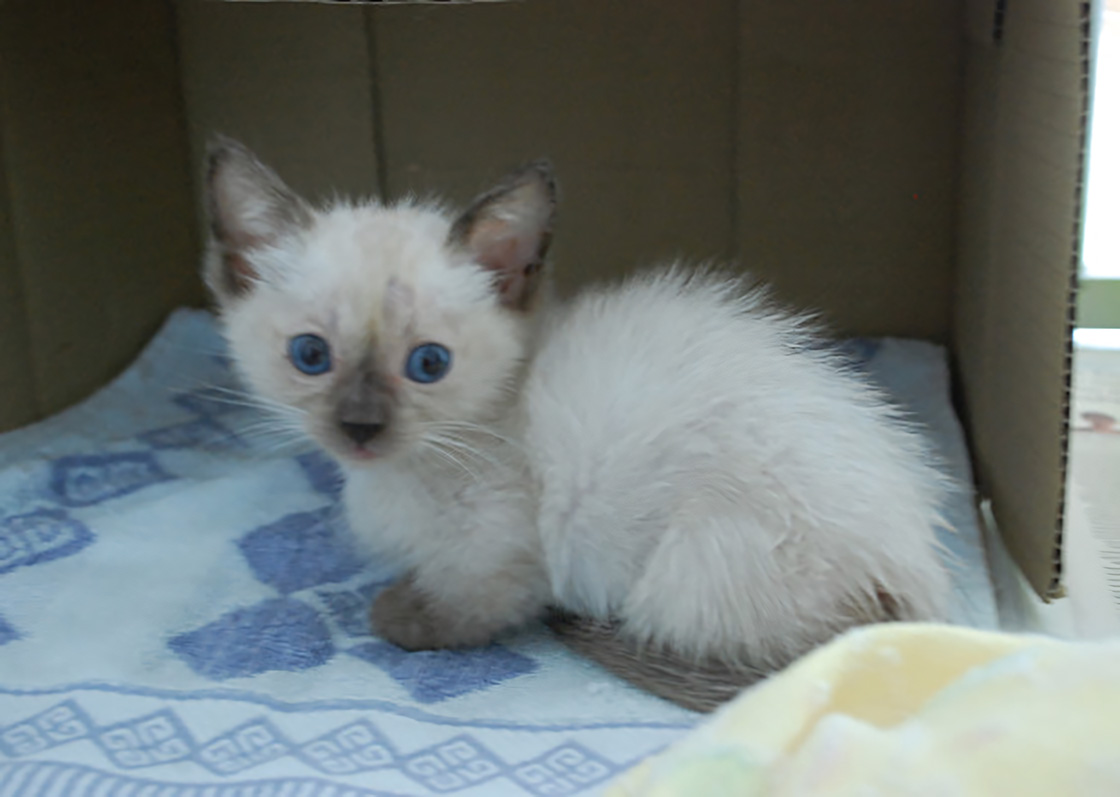
Sometimes signs of pain are subtle and difficult to diagnose
Chronic pain due to age-related disorders like arthritis or cancer usually develops slowly and is hard to detect because some animals learn to tolerate and live with the pain. Chronic pain can create a “stress response” associated with elevations of cortisol. This may reduce the patient’s immune response, leading to infection and slower healing.
Animals suspected of experiencing pain (e.g., limping due to strained muscle/ligament) are treated with adequate pain relief and symptoms are monitored for improvement. If undesirable side effects develop, treatment should be stopped or altered accordingly.
Pain management is crucial in managing a patient as it alleviates discomfort and helps the animal recover faster
Pain relief medication is usually administered before, during, and after surgery. This helps reduce stress and pain associated with surgery, allowing the animal to rest better and recover faster. It is always better to start on pre-emptive analgesia than to control pain once it has started.
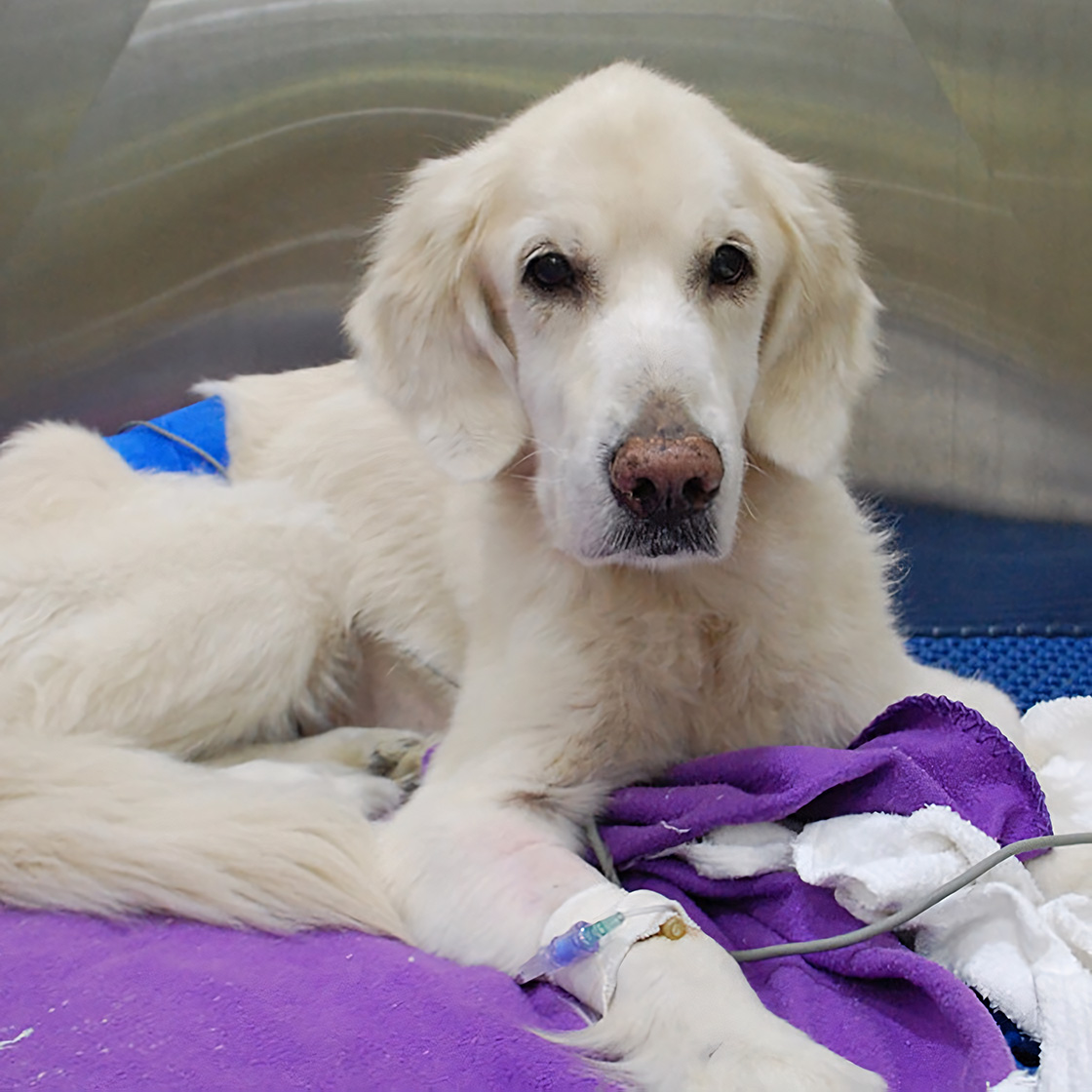
If your pet suffers from chronic pain (e.g., osteoarthritis), some basic lifestyle changes can offer relief.
- Control weight and incorporate light exercises (e.g., hydrotherapy) to decrease joint stress and improve muscular support of the joints.
- Provide easy access to litter boxes or garden for elimination (e.g., gently-sloped ramp)
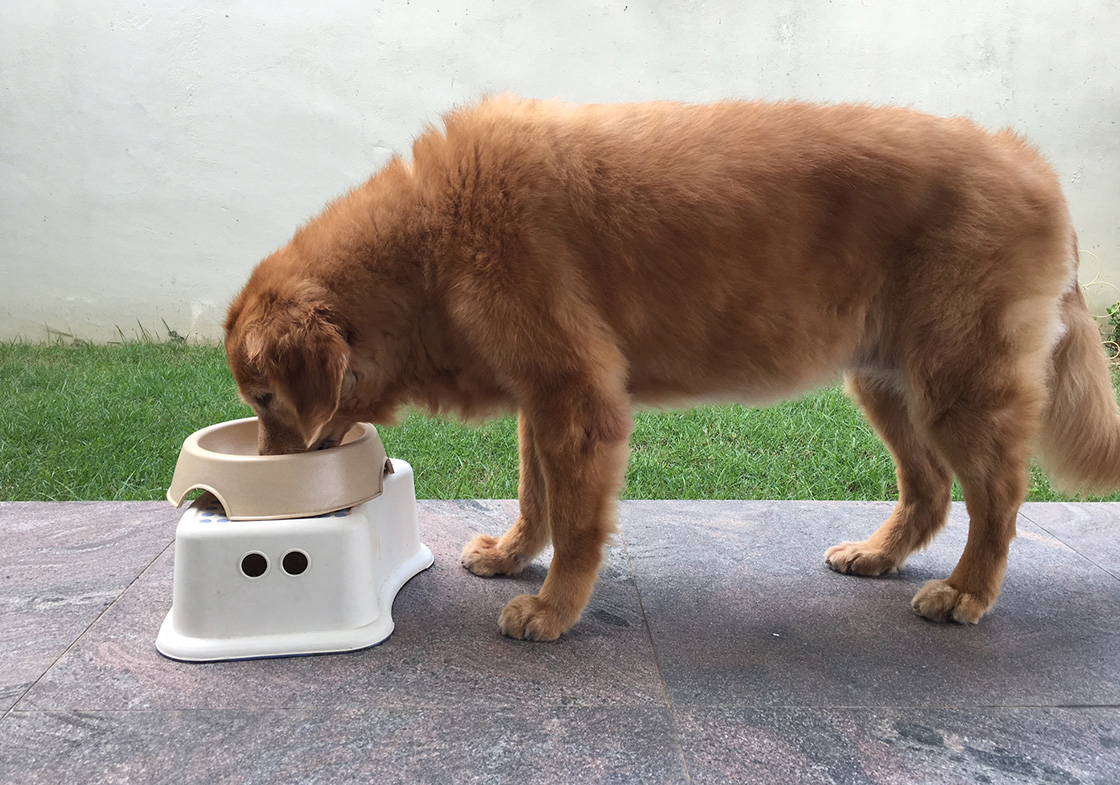
- Raise food and water bowls to a comfortable level
- Provide non-slip floor surfaces to help your arthritic pet get up and walk more easily
- Provide comfortable but firm beds to help your arthritic pet get up more easily
There are many different pain management protocols and there is no “best” one.
We will assess your pets to determine a good pain management plan, taking into account factors such as their history, current condition, and physical examination.
Pain relief medications are available in pill/liquid/gel form or skin patches. Do not medicate your pet yourself. Some painkillers for humans can be toxic to animals even in very small doses.
Dr Teo Jia Wen, Mount Pleasant Animal Medical Centre (Farrer)
Keep Reading
Keep Reading
Keep Reading
Our pets may feel pain when they are sick or injured. However, recognising pain can be challenging as animals instinctively hide their pain and exhibit symptoms differently from us. It is important to understand species differences and observe our pets’ behaviour to know if they are hurting.
Pain can be caused by:
- Physical trauma, e.g., falling from a height or being hit by a car
- Disease or illness of internal organs, e.g., pancreatitis and blocked urethra
- Surgical procedures, e.g., sterilisation or bone surgery
- Spinal problem, e.g., intervertebral disc disease
- Degenerative changes, e.g., osteoarthritis
Our pets cannot tell us in words when they are in pain
Watch our pets closely to detect any changes in behaviour. Your pets may be in pain if they are:
- Unusually quiet or withdrawn
- Very restless or trembling
- Hiding and avoiding human interaction
- Whining or whimpering
- Biting or snapping when touched
- Licking or biting a body part excessively
- Refusing food
- Limping
- Having difficulty lying down or sleeping
Sometimes signs of pain are subtle and difficult to diagnose
Chronic pain due to age-related disorders like arthritis or cancer usually develops slowly and is hard to detect because some animals learn to tolerate and live with the pain. Chronic pain can create a “stress response” associated with elevations of cortisol. This may reduce the patient’s immune response, leading to infection and slower healing.
Animals suspected of experiencing pain (e.g., limping due to strained muscle/ligament) are treated with adequate pain relief and symptoms are monitored for improvement. If undesirable side effects develop, treatment should be stopped or altered accordingly.
Pain management is crucial in managing a patient as it alleviates discomfort and helps the animal recover faster
Pain relief medication is usually administered before, during, and after surgery. This helps reduce stress and pain associated with surgery, allowing the animal to rest better and recover faster. It is always better to start on pre-emptive analgesia than to control pain once it has started.
If your pet suffers from chronic pain (e.g., osteoarthritis), some basic lifestyle changes can offer relief.
- Control weight and incorporate light exercises (e.g., hydrotherapy) to decrease joint stress and improve muscular support of the joints.
- Provide easy access to litter boxes or garden for elimination (e.g., gently-sloped ramp)
- Raise food and water bowls to a comfortable level
- Provide non-slip floor surfaces to help your arthritic pet get up and walk more easily
- Provide comfortable but firm beds to help your arthritic pet get up more easily
There are many different pain management protocols and there is no “best” one.
We will assess your pets to determine a good pain management plan, taking into account factors such as their history, current condition, and physical examination.
Pain relief medications are available in pill/liquid/gel form or skin patches. Do not medicate your pet yourself. Some painkillers for humans can be toxic to animals even in very small doses.
Dr Teo Jia Wen, Mount Pleasant Animal Medical Centre (Farrer)
Keep Reading
Keep Reading
Keep Reading
Our pets may feel pain when they are sick or injured. However, recognising pain can be challenging as animals instinctively hide their pain and exhibit symptoms differently from us. It is important to understand species differences and observe our pets’ behaviour to know if they are hurting.
Pain can be caused by:
- Physical trauma, e.g., falling from a height or being hit by a car
- Disease or illness of internal organs, e.g., pancreatitis and blocked urethra
- Surgical procedures, e.g., sterilisation or bone surgery
- Spinal problem, e.g., intervertebral disc disease
- Degenerative changes, e.g., osteoarthritis
Our pets cannot tell us in words when they are in pain
Watch our pets closely to detect any changes in behaviour. Your pets may be in pain if they are:
- Unusually quiet or withdrawn
- Very restless or trembling
- Hiding and avoiding human interaction
- Whining or whimpering
- Biting or snapping when touched
- Licking or biting a body part excessively
- Refusing food
- Limping
- Having difficulty lying down or sleeping
Sometimes signs of pain are subtle and difficult to diagnose
Chronic pain due to age-related disorders like arthritis or cancer usually develops slowly and is hard to detect because some animals learn to tolerate and live with the pain. Chronic pain can create a “stress response” associated with elevations of cortisol. This may reduce the patient’s immune response, leading to infection and slower healing.
Animals suspected of experiencing pain (e.g., limping due to strained muscle/ligament) are treated with adequate pain relief and symptoms are monitored for improvement. If undesirable side effects develop, treatment should be stopped or altered accordingly.
Pain management is crucial in managing a patient as it alleviates discomfort and helps the animal recover faster
Pain relief medication is usually administered before, during, and after surgery. This helps reduce stress and pain associated with surgery, allowing the animal to rest better and recover faster. It is always better to start on pre-emptive analgesia than to control pain once it has started.
If your pet suffers from chronic pain (e.g., osteoarthritis), some basic lifestyle changes can offer relief.
- Control weight and incorporate light exercises (e.g., hydrotherapy) to decrease joint stress and improve muscular support of the joints.
- Provide easy access to litter boxes or garden for elimination (e.g., gently-sloped ramp)
- Raise food and water bowls to a comfortable level
- Provide non-slip floor surfaces to help your arthritic pet get up and walk more easily
- Provide comfortable but firm beds to help your arthritic pet get up more easily
There are many different pain management protocols and there is no “best” one.
We will assess your pets to determine a good pain management plan, taking into account factors such as their history, current condition, and physical examination.
Pain relief medications are available in pill/liquid/gel form or skin patches. Do not medicate your pet yourself. Some painkillers for humans can be toxic to animals even in very small doses.
Dr Teo Jia Wen, Mount Pleasant Animal Medical Centre (Farrer)
Keep Reading
Keep Reading
Keep Reading
Follow us on Instagram
Follow us on Instagram