For Vets:

Coughing Dog: Is Something Wrong With My Dog? (2025)
Coughing Dog: Is Something Wrong With My Dog? (2025)
Apr 25, 2025

Coughing Dog: Is Something Wrong With My Dog? (2025)
Apr 25, 2025
Coughing Dog: Is Something Wrong With My Dog? (2025)
Apr 25, 2025
Persistent coughing in dogs may indicate various underlying health issues when presented with other symptoms. Understanding the cause of your dog's cough is essential for seeking appropriate veterinary care and ensuring its well-being.
Why is My Dog Coughing?
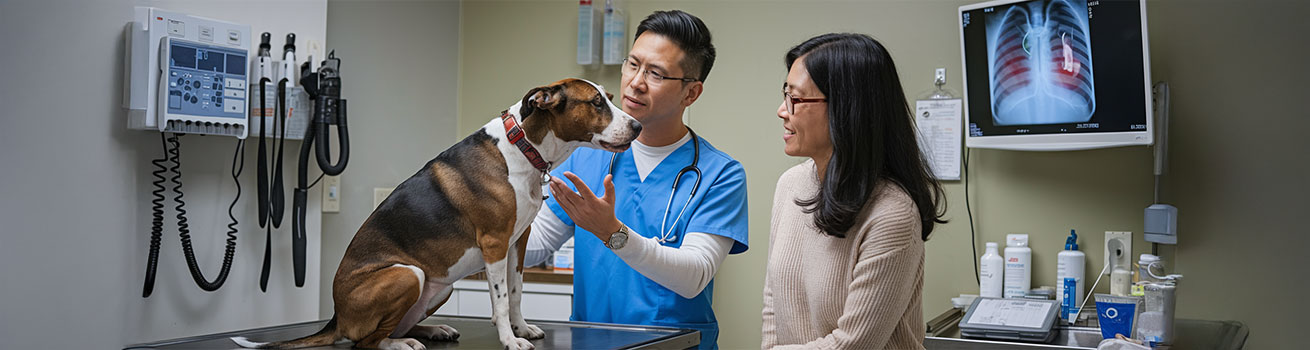
A dog’s coughing can be explained by many causes. Getting an early veterinary diagnosis allows the cause to be identified and treated promptly.
Here are some possible reasons for coughing in dogs:
1. Kennel Cough
Kennel cough is a respiratory tract infection caused by the bacteria Bordetella Bronchiseptica. It is often combined with other pathogens like Canine Parainfluenza Virus or Canine Adenovirus Type 2.
Affected dogs develop a distinct hacking cough that sounds similar to a "goose honk", sometimes accompanied by nasal discharge and decreased appetite. While the condition can resolve without medication, it may pose greater risks for puppies, older dogs, and dogs with compromised immune systems.
2. Chronic Bronchitis
Chronic bronchitis is a progressive respiratory infection and usually begins with inflammation in the small airways. If untreated, persistent inflammation can lead to dilation of the airways (bronchiectasis) or scarring in the lungs (pulmonary fibrosis).
This condition is usually characterised by a dry chronic cough, while advanced stages may present with noisy breathing, increased fatigue, and potentially fainting.
3. Tracheal Collapse
A tracheal collapse occurs when the cartilage supporting your dog's trachea (windpipe) weakens, causing it to flatten during inhalation. The condition typically presents as a dry, honking cough accompanied by breathing difficulty.
While all dogs can be affected, certain breeds such as Pomeranians and Yorkshire Terriers seem to be more susceptible. A collapsed trachea is generally manageable with appropriate veterinary care and only becomes life-threatening in its most severe form.
4. Heart Disease
Heart disease predominantly affects older dogs and often progresses undetected during the early preclinical stages. Key symptoms include bluish gums, accelerated respiratory rate exceeding 30 breaths per minute, persistent coughing, and lethargy.
While most canine heart conditions cannot be prevented, early veterinary diagnosis combined with appropriate lifestyle management can delay symptom progression and improve quality of life.
5. Pneumonia
Pneumonia in dogs typically develops from bacterial lung infections, commonly associated with Bordetella Bronchiseptica (kennel cough). Other potential causes include viral, or fungal infections, and aspiration of liquids such as water or vomit.
Dogs with pneumonia often exhibit lethargy, coughing, difficulty breathing, and reduced appetite. This condition is contagious between dogs but may be prevented with vaccination.
6. Canine Influenza
Canine influenza (H3N8 and H3N2) is a highly contagious viral infection transmitted through airborne particles and contaminated objects like toys, food dishes, and bedding. Affected dogs typically display symptoms like coughing, sneezing, nasal and ocular discharge, and fever.
If untreated, this condition can progress to pneumonia or other life-threatening conditions. Vaccines are available for both strains of canine influenza to prevent infection.
7. Lung Cancer
Lung cancer can cause persistent coughing and a lack of interest in physical activity in dogs. A dog's lungs frequently serve as a metastasis for cancer spreading from other organs, particularly hemangiosarcoma, which originates in the heart. Early veterinary assessment is crucial for diagnosis and treatment.
8. Respiratory Allergies
Respiratory allergies in dogs are usually triggered by inhaled irritants such as pollen, dust mites, or cigarette smoke. Affected dogs may exhibit itchy or watery eyes, chronic coughing, and sneezing. Symptoms can appear seasonally or persist year-round. Avoiding allergens and immunotherapy are commonly used to treat allergies.
9. Choking
Choking typically occurs from foreign objects like rawhides, balls, and chew toys. Warning signs include coughing, choking sounds, excessive drooling, and gagging. A veterinary examination is necessary after any choking incident, as dogs may sustain mouth injuries or throat damage from the lodged object.
Treatment Options for Canine Coughs

If your dog develops a persistent cough, contact a vet immediately. The diagnosis process will typically involve a complete physical examination, blood tests, chest X-rays, and echocardiography to determine the root cause.
Depending on the cause, various treatment options will be prescribed:
- Cough Suppressants: Canine cough medicine to minimise irritation and reduce coughing.
- Bronchodilators (e.g., albuterol/salbutamol): Used for acute bronchoconstriction, often administered via metered-dose inhaler (MDI) with a spacer.
- Corticosteroids: Oral (prednisolone) or inhaled (fluticasone) to reduce airway inflammation.
- Antibiotics: For bacterial infections.
- Cardiac Medications: Prescribed for managing heart disease.
- Surgery: Required for severe cases of tracheal collapse or to diagnose and treat lung cancers.
- Chemotherapy: Recommended after surgery for cancer treatment.
A professional veterinary assessment is essential for identifying the cause and providing appropriate care. Avoid using home remedies unless specifically recommended by your vet, as they can worsen your dog's condition and lead to complications.
Manage Your Dog's Cough Effectively

A dog's cough should never be ignored as it can indicate conditions ranging from minor irritations to serious illnesses. Stay vigilant and seek prompt veterinary care at the first sign of persistent coughing to ensure your dog's health and well-being.
Keep reading
Keep reading
Keep reading
Persistent coughing in dogs may indicate various underlying health issues when presented with other symptoms. Understanding the cause of your dog's cough is essential for seeking appropriate veterinary care and ensuring its well-being.
Why is My Dog Coughing?
A dog’s coughing can be explained by many causes. Getting an early veterinary diagnosis allows the cause to be identified and treated promptly.
Here are some possible reasons for coughing in dogs:
1. Kennel Cough
Kennel cough is a respiratory tract infection caused by the bacteria Bordetella Bronchiseptica. It is often combined with other pathogens like Canine Parainfluenza Virus or Canine Adenovirus Type 2.
Affected dogs develop a distinct hacking cough that sounds similar to a "goose honk", sometimes accompanied by nasal discharge and decreased appetite. While the condition can resolve without medication, it may pose greater risks for puppies, older dogs, and dogs with compromised immune systems.
2. Chronic Bronchitis
Chronic bronchitis is a progressive respiratory infection and usually begins with inflammation in the small airways. If untreated, persistent inflammation can lead to dilation of the airways (bronchiectasis) or scarring in the lungs (pulmonary fibrosis).
This condition is usually characterised by a dry chronic cough, while advanced stages may present with noisy breathing, increased fatigue, and potentially fainting.
3. Tracheal Collapse
A tracheal collapse occurs when the cartilage supporting your dog's trachea (windpipe) weakens, causing it to flatten during inhalation. The condition typically presents as a dry, honking cough accompanied by breathing difficulty.
While all dogs can be affected, certain breeds such as Pomeranians and Yorkshire Terriers seem to be more susceptible. A collapsed trachea is generally manageable with appropriate veterinary care and only becomes life-threatening in its most severe form.
4. Heart Disease
Heart disease predominantly affects older dogs and often progresses undetected during the early preclinical stages. Key symptoms include bluish gums, accelerated respiratory rate exceeding 30 breaths per minute, persistent coughing, and lethargy.
While most canine heart conditions cannot be prevented, early veterinary diagnosis combined with appropriate lifestyle management can delay symptom progression and improve quality of life.
5. Pneumonia
Pneumonia in dogs typically develops from bacterial lung infections, commonly associated with Bordetella Bronchiseptica (kennel cough). Other potential causes include viral, or fungal infections, and aspiration of liquids such as water or vomit.
Dogs with pneumonia often exhibit lethargy, coughing, difficulty breathing, and reduced appetite. This condition is contagious between dogs but may be prevented with vaccination.
6. Canine Influenza
Canine influenza (H3N8 and H3N2) is a highly contagious viral infection transmitted through airborne particles and contaminated objects like toys, food dishes, and bedding. Affected dogs typically display symptoms like coughing, sneezing, nasal and ocular discharge, and fever.
If untreated, this condition can progress to pneumonia or other life-threatening conditions. Vaccines are available for both strains of canine influenza to prevent infection.
7. Lung Cancer
Lung cancer can cause persistent coughing and a lack of interest in physical activity in dogs. A dog's lungs frequently serve as a metastasis for cancer spreading from other organs, particularly hemangiosarcoma, which originates in the heart. Early veterinary assessment is crucial for diagnosis and treatment.
8. Respiratory Allergies
Respiratory allergies in dogs are usually triggered by inhaled irritants such as pollen, dust mites, or cigarette smoke. Affected dogs may exhibit itchy or watery eyes, chronic coughing, and sneezing. Symptoms can appear seasonally or persist year-round. Avoiding allergens and immunotherapy are commonly used to treat allergies.
9. Choking
Choking typically occurs from foreign objects like rawhides, balls, and chew toys. Warning signs include coughing, choking sounds, excessive drooling, and gagging. A veterinary examination is necessary after any choking incident, as dogs may sustain mouth injuries or throat damage from the lodged object.
Treatment Options for Canine Coughs
If your dog develops a persistent cough, contact a vet immediately. The diagnosis process will typically involve a complete physical examination, blood tests, chest X-rays, and echocardiography to determine the root cause.
Depending on the cause, various treatment options will be prescribed:
- Cough Suppressants: Canine cough medicine to minimise irritation and reduce coughing.
- Bronchodilators (e.g., albuterol/salbutamol): Used for acute bronchoconstriction, often administered via metered-dose inhaler (MDI) with a spacer.
- Corticosteroids: Oral (prednisolone) or inhaled (fluticasone) to reduce airway inflammation.
- Antibiotics: For bacterial infections.
- Cardiac Medications: Prescribed for managing heart disease.
- Surgery: Required for severe cases of tracheal collapse or to diagnose and treat lung cancers.
- Chemotherapy: Recommended after surgery for cancer treatment.
A professional veterinary assessment is essential for identifying the cause and providing appropriate care. Avoid using home remedies unless specifically recommended by your vet, as they can worsen your dog's condition and lead to complications.
Manage Your Dog's Cough Effectively
A dog's cough should never be ignored as it can indicate conditions ranging from minor irritations to serious illnesses. Stay vigilant and seek prompt veterinary care at the first sign of persistent coughing to ensure your dog's health and well-being.
Keep reading
Keep reading
Keep reading
Follow us on Instagram
Follow us on Instagram