
Image

For Vets:
Share this article
Obesity Prevention in Cats: Healthy Feeding Guidelines
Jul 24, 2026
Share this article
Obesity Prevention in Cats: Healthy Feeding Guidelines
Jul 24, 2026
Obesity Prevention in Cats: Healthy Feeding Guidelines
Jul 24, 2026
Share this article
Cat obesity is becoming increasingly common, especially among indoor cats. While a slightly chubby cat may look cute, excess weight can quietly affect your cat’s comfort, mobility, and long-term health.
Maintaining a healthy body weight helps reduce the risk of serious diseases and improves your cat’s quality of life at every stage. With the right feeding habits, activity levels, and veterinary guidance, obesity is largely preventable. This guide explains how to recognise unhealthy weight gain and adopt practical feeding strategies to keep your cat in optimal condition.

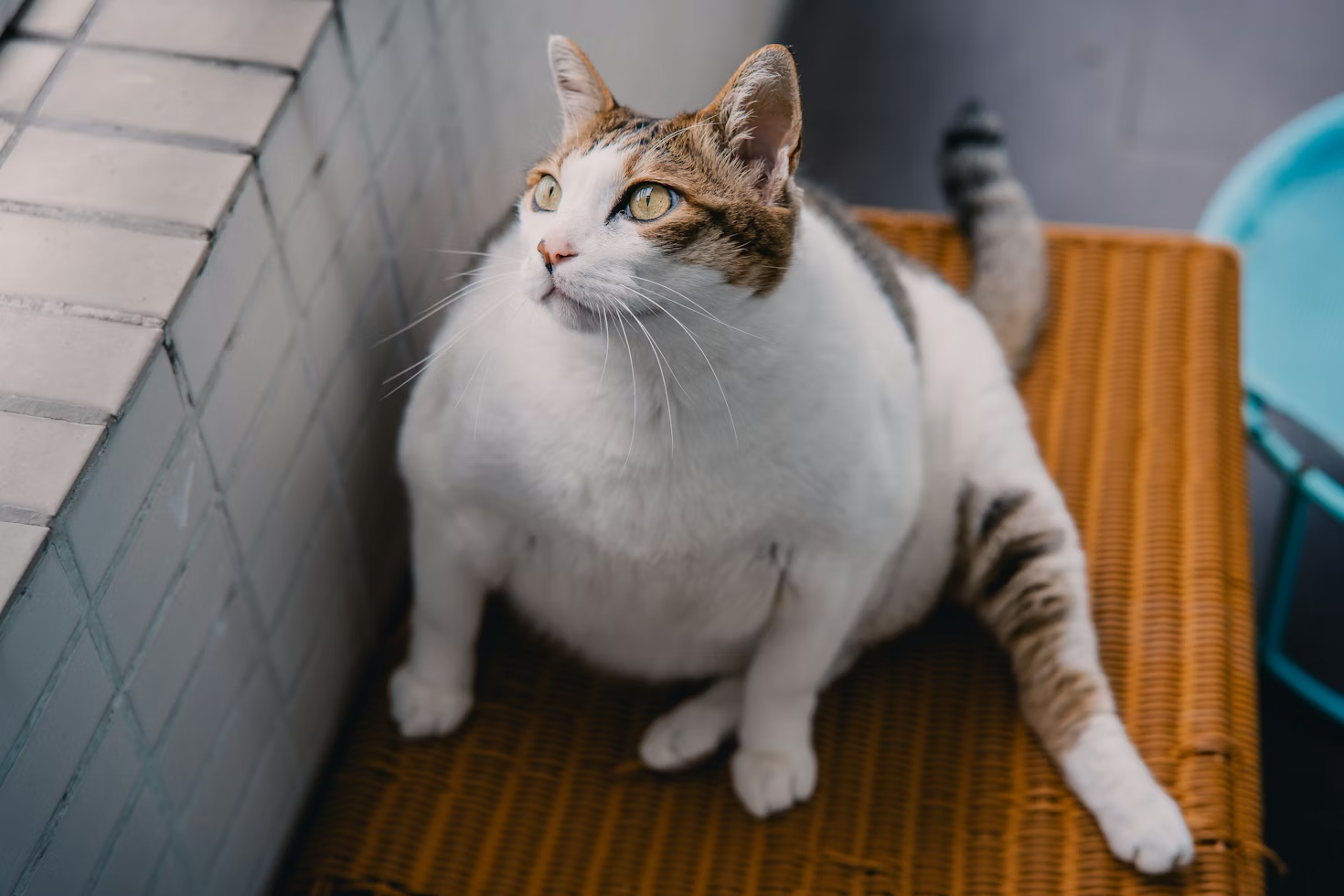
Cat obesity occurs when excess body fat accumulates to the point that it affects normal body function. Veterinarians usually assess this using a Body Condition Score (BCS), a practical scale that evaluates fat coverage over the ribs, spine, and waistline.
A healthy cat typically:
If the waist disappears and fat deposits become noticeable around the abdomen and hips, the cat may be overweight or obese.
Excess weight does more than reduce agility. It increases the risk of:
Overweight cats may also become less active and less comfortable performing everyday movements like jumping or climbing.
Watch for these early indicators:
Early detection makes weight management much easier.
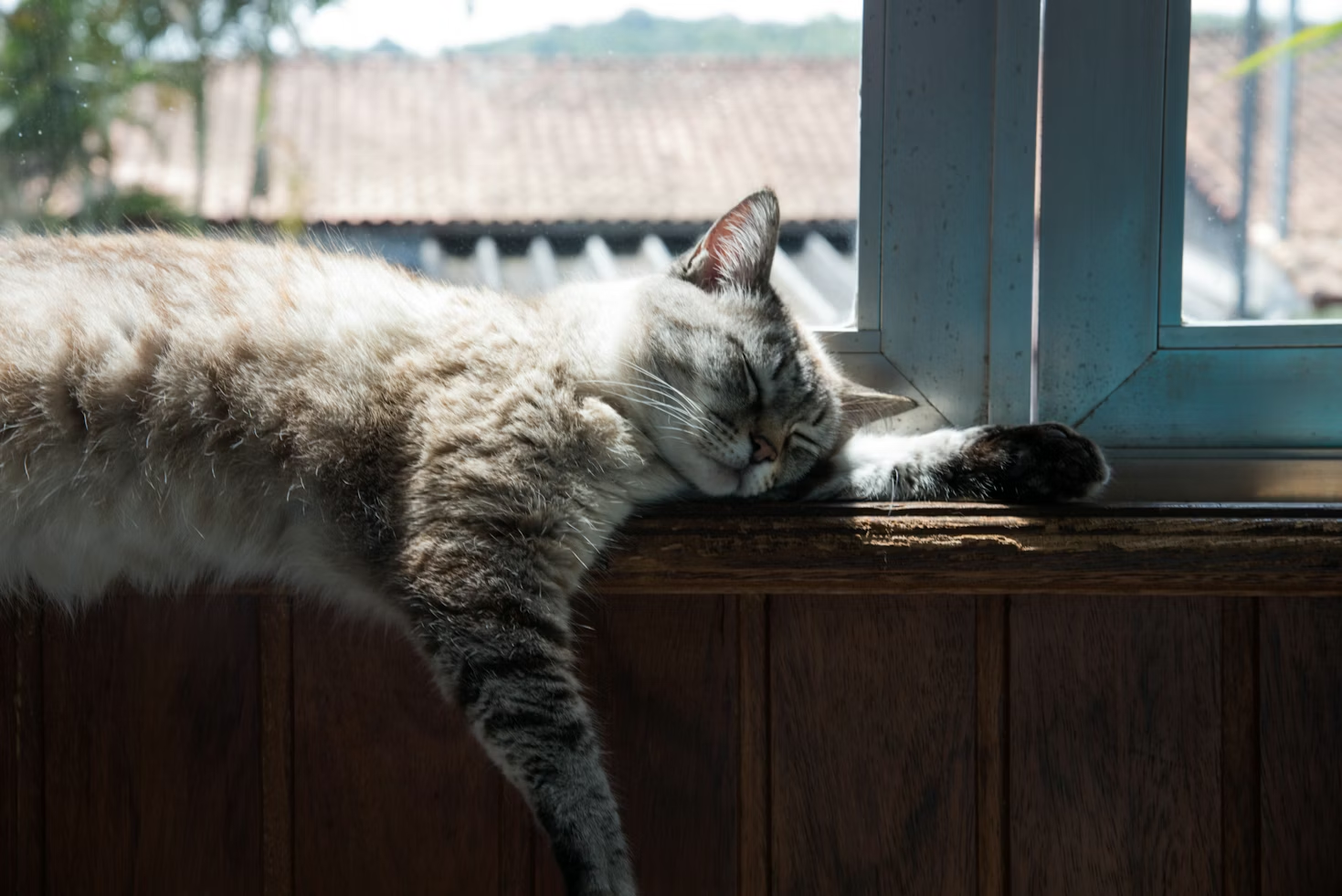
Understanding why cats gain weight helps prevent long-term health complications.
Leaving food available all day can lead to overeating without the owners realising it. Even small portion miscalculations add up over time.
High-calorie treats and table scraps also contribute significantly to excess calorie intake.
Indoor cats often expend less energy than outdoor cats. Without regular stimulation, they may eat out of boredom rather than hunger.
After neutering, cats may experience hormonal changes that slow metabolism and increase appetite. Older cats also burn fewer calories and may require dietary adjustments.
Sometimes, weight gain signals underlying health concerns such as hormonal disorders or reduced mobility from joint disease. Veterinary evaluation helps rule out these possibilities.
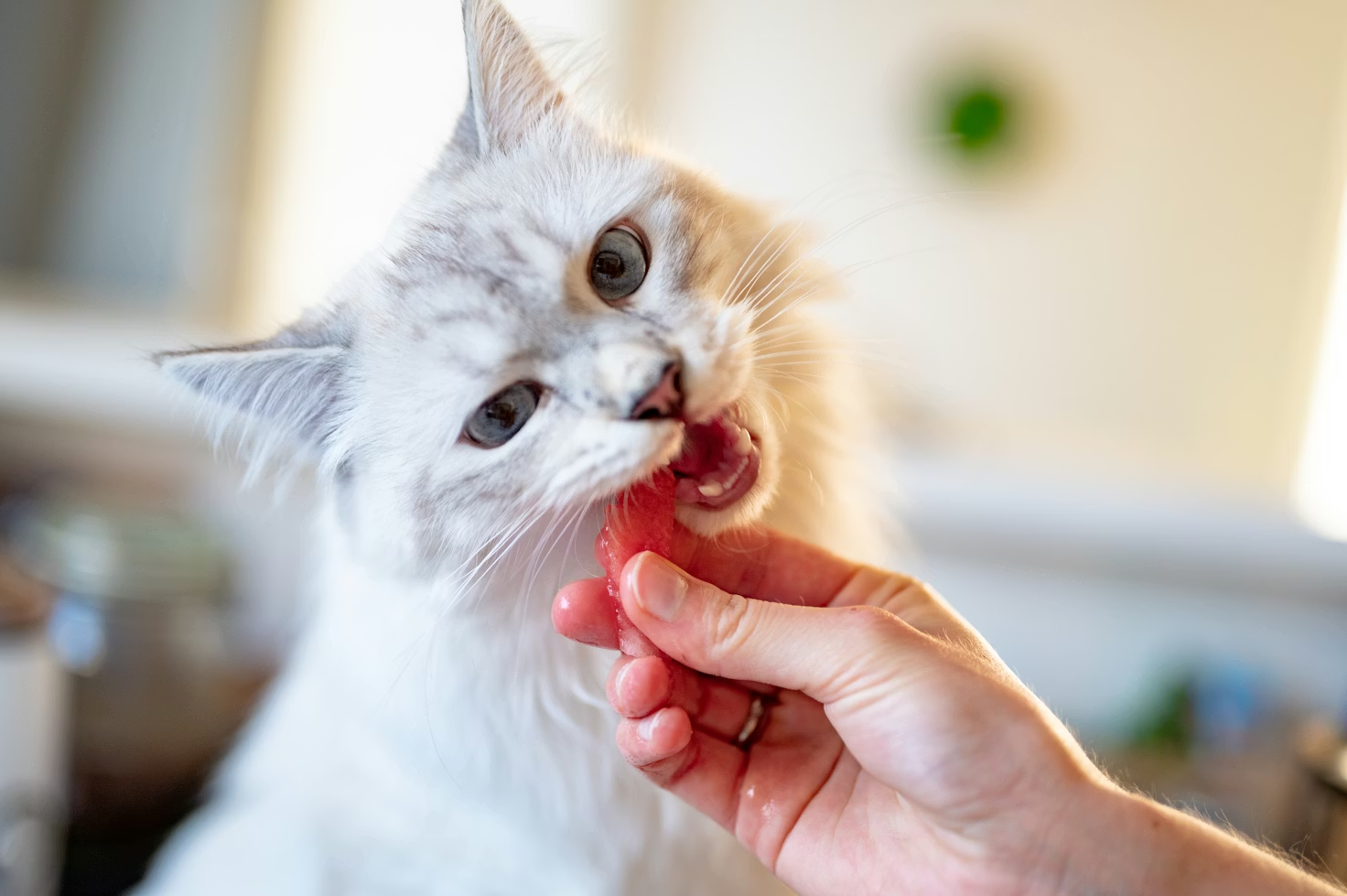
Proper feeding routines are the foundation of obesity prevention.
Accurate portion sizes help maintain a stable body weight. Instead of estimating by eye:
Consistent portion control prevents gradual weight gain.
Cats have different nutritional needs depending on life stage:
Weight-management diets may be recommended for cats prone to gaining weight.
Structured meal times help regulate calorie intake and improve appetite control. Scheduled feeding also allows owners to monitor eating habits more closely.
Treats should make up no more than about 10% of daily calorie intake. Healthier alternatives include:
Avoid feeding human food unless advised by a veterinarian.
Wet food can help increase satiety while supporting hydration. A balanced mix of wet and dry food may help manage appetite more effectively in some cats.
Exercise plays a key role in maintaining a healthy weight.
Short play sessions throughout the day can make a big difference. Try:
Even 10–15 minutes of play daily supports calorie burning.
Cats benefit from spaces that encourage movement:
These promote natural behaviours like climbing and hunting.
Mental stimulation reduces boredom-related eating. Interactive feeding toys can slow eating while increasing activity levels.
Weight management should evolve as your cat grows.
Proper feeding schedules and portion awareness during kittenhood reduce the risk of obesity later in life.
Routine monitoring and consistent feeding routines help maintain a stable body condition.
Older cats may require fewer calories but still benefit from gentle exercise and regular monitoring.
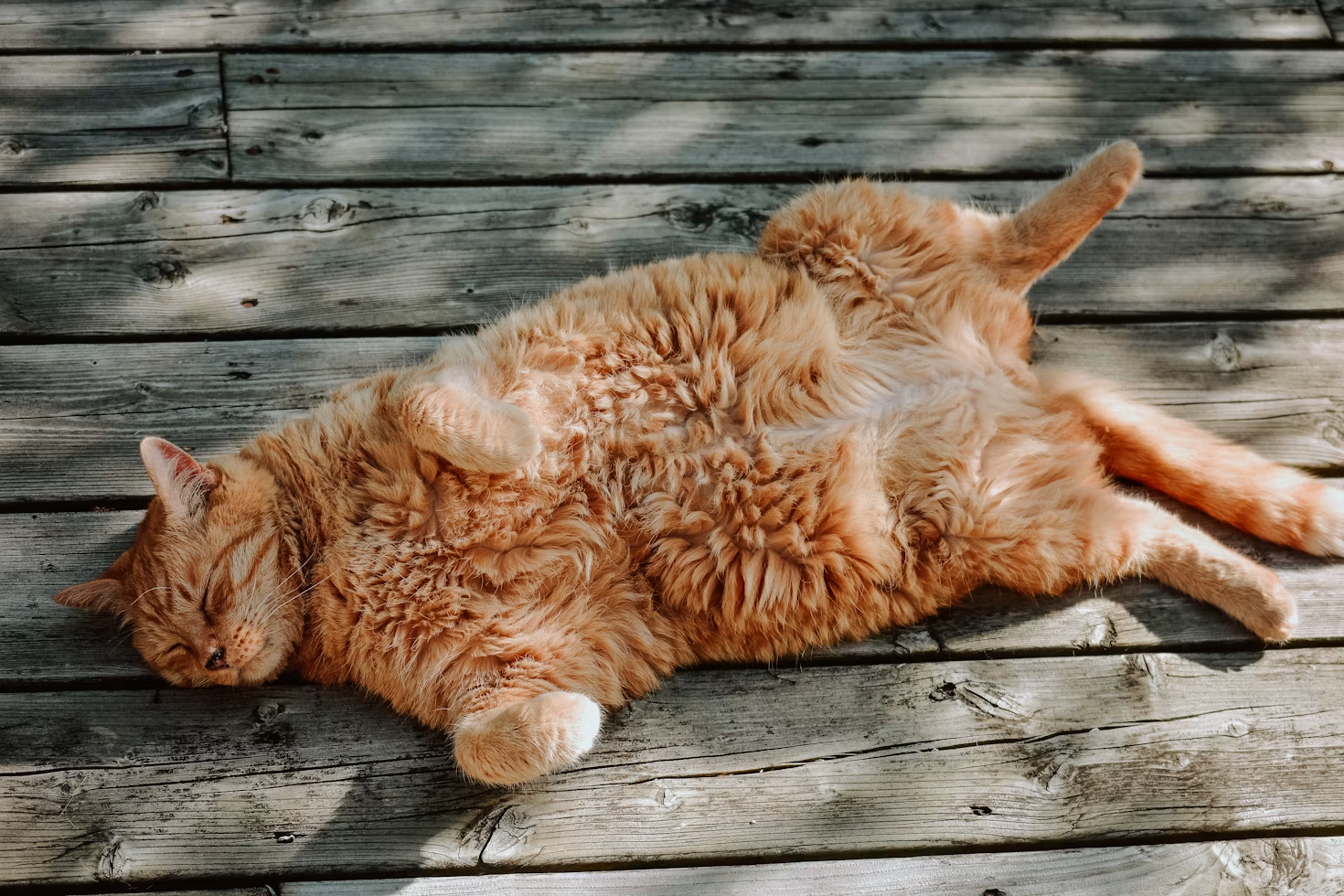
If your cat is already overweight, safe weight reduction is essential.
Rapid calorie restriction can lead to hepatic lipidosis, a serious liver condition in cats. Weight loss should always be gradual and ideally guided by a veterinary professional to ensure it is safe and appropriate for your cat's individual needs.
A veterinarian may recommend:
Professional guidance ensures safe and effective progress.
Regular weigh-ins help track improvement. Veterinary follow-ups allow adjustments to diet and activity levels when necessary.
Consult a veterinarian if you notice:
Early intervention helps prevent complications and supports long-term health.
Obesity in cats is preventable with the right feeding habits, activity routines, and regular monitoring. Small adjustments, like measured portions, structured meals, and daily play, can make a lasting difference.
Because prevention is easier than treatment, monitoring your cat's weight and body condition regularly can help identify weight gain early. Combined with appropriate diet and exercise, these proactive measures can reduce the risk of obesity and support your cat's long-term health and wellbeing.
Keep reading
Keep reading
Keep reading
Cat obesity is becoming increasingly common, especially among indoor cats. While a slightly chubby cat may look cute, excess weight can quietly affect your cat’s comfort, mobility, and long-term health.
Maintaining a healthy body weight helps reduce the risk of serious diseases and improves your cat’s quality of life at every stage. With the right feeding habits, activity levels, and veterinary guidance, obesity is largely preventable. This guide explains how to recognise unhealthy weight gain and adopt practical feeding strategies to keep your cat in optimal condition.
Cat obesity occurs when excess body fat accumulates to the point that it affects normal body function. Veterinarians usually assess this using a Body Condition Score (BCS), a practical scale that evaluates fat coverage over the ribs, spine, and waistline.
A healthy cat typically:
If the waist disappears and fat deposits become noticeable around the abdomen and hips, the cat may be overweight or obese.
Excess weight does more than reduce agility. It increases the risk of:
Overweight cats may also become less active and less comfortable performing everyday movements like jumping or climbing.
Watch for these early indicators:
Early detection makes weight management much easier.
Understanding why cats gain weight helps prevent long-term health complications.
Leaving food available all day can lead to overeating without the owners realising it. Even small portion miscalculations add up over time.
High-calorie treats and table scraps also contribute significantly to excess calorie intake.
Indoor cats often expend less energy than outdoor cats. Without regular stimulation, they may eat out of boredom rather than hunger.
After neutering, cats may experience hormonal changes that slow metabolism and increase appetite. Older cats also burn fewer calories and may require dietary adjustments.
Sometimes, weight gain signals underlying health concerns such as hormonal disorders or reduced mobility from joint disease. Veterinary evaluation helps rule out these possibilities.
Proper feeding routines are the foundation of obesity prevention.
Accurate portion sizes help maintain a stable body weight. Instead of estimating by eye:
Consistent portion control prevents gradual weight gain.
Cats have different nutritional needs depending on life stage:
Weight-management diets may be recommended for cats prone to gaining weight.
Structured meal times help regulate calorie intake and improve appetite control. Scheduled feeding also allows owners to monitor eating habits more closely.
Treats should make up no more than about 10% of daily calorie intake. Healthier alternatives include:
Avoid feeding human food unless advised by a veterinarian.
Wet food can help increase satiety while supporting hydration. A balanced mix of wet and dry food may help manage appetite more effectively in some cats.
Exercise plays a key role in maintaining a healthy weight.
Short play sessions throughout the day can make a big difference. Try:
Even 10–15 minutes of play daily supports calorie burning.
Cats benefit from spaces that encourage movement:
These promote natural behaviours like climbing and hunting.
Mental stimulation reduces boredom-related eating. Interactive feeding toys can slow eating while increasing activity levels.
Weight management should evolve as your cat grows.
Proper feeding schedules and portion awareness during kittenhood reduce the risk of obesity later in life.
Routine monitoring and consistent feeding routines help maintain a stable body condition.
Older cats may require fewer calories but still benefit from gentle exercise and regular monitoring.
If your cat is already overweight, safe weight reduction is essential.
Rapid calorie restriction can lead to hepatic lipidosis, a serious liver condition in cats. Weight loss should always be gradual and ideally guided by a veterinary professional to ensure it is safe and appropriate for your cat's individual needs.
A veterinarian may recommend:
Professional guidance ensures safe and effective progress.
Regular weigh-ins help track improvement. Veterinary follow-ups allow adjustments to diet and activity levels when necessary.
Consult a veterinarian if you notice:
Early intervention helps prevent complications and supports long-term health.
Obesity in cats is preventable with the right feeding habits, activity routines, and regular monitoring. Small adjustments, like measured portions, structured meals, and daily play, can make a lasting difference.
Because prevention is easier than treatment, monitoring your cat's weight and body condition regularly can help identify weight gain early. Combined with appropriate diet and exercise, these proactive measures can reduce the risk of obesity and support your cat's long-term health and wellbeing.
Keep reading
Keep reading
Keep reading
Cat obesity is becoming increasingly common, especially among indoor cats. While a slightly chubby cat may look cute, excess weight can quietly affect your cat’s comfort, mobility, and long-term health.
Maintaining a healthy body weight helps reduce the risk of serious diseases and improves your cat’s quality of life at every stage. With the right feeding habits, activity levels, and veterinary guidance, obesity is largely preventable. This guide explains how to recognise unhealthy weight gain and adopt practical feeding strategies to keep your cat in optimal condition.
Cat obesity occurs when excess body fat accumulates to the point that it affects normal body function. Veterinarians usually assess this using a Body Condition Score (BCS), a practical scale that evaluates fat coverage over the ribs, spine, and waistline.
A healthy cat typically:
If the waist disappears and fat deposits become noticeable around the abdomen and hips, the cat may be overweight or obese.
Excess weight does more than reduce agility. It increases the risk of:
Overweight cats may also become less active and less comfortable performing everyday movements like jumping or climbing.
Watch for these early indicators:
Early detection makes weight management much easier.
Understanding why cats gain weight helps prevent long-term health complications.
Leaving food available all day can lead to overeating without the owners realising it. Even small portion miscalculations add up over time.
High-calorie treats and table scraps also contribute significantly to excess calorie intake.
Indoor cats often expend less energy than outdoor cats. Without regular stimulation, they may eat out of boredom rather than hunger.
After neutering, cats may experience hormonal changes that slow metabolism and increase appetite. Older cats also burn fewer calories and may require dietary adjustments.
Sometimes, weight gain signals underlying health concerns such as hormonal disorders or reduced mobility from joint disease. Veterinary evaluation helps rule out these possibilities.
Proper feeding routines are the foundation of obesity prevention.
Accurate portion sizes help maintain a stable body weight. Instead of estimating by eye:
Consistent portion control prevents gradual weight gain.
Cats have different nutritional needs depending on life stage:
Weight-management diets may be recommended for cats prone to gaining weight.
Structured meal times help regulate calorie intake and improve appetite control. Scheduled feeding also allows owners to monitor eating habits more closely.
Treats should make up no more than about 10% of daily calorie intake. Healthier alternatives include:
Avoid feeding human food unless advised by a veterinarian.
Wet food can help increase satiety while supporting hydration. A balanced mix of wet and dry food may help manage appetite more effectively in some cats.
Exercise plays a key role in maintaining a healthy weight.
Short play sessions throughout the day can make a big difference. Try:
Even 10–15 minutes of play daily supports calorie burning.
Cats benefit from spaces that encourage movement:
These promote natural behaviours like climbing and hunting.
Mental stimulation reduces boredom-related eating. Interactive feeding toys can slow eating while increasing activity levels.
Weight management should evolve as your cat grows.
Proper feeding schedules and portion awareness during kittenhood reduce the risk of obesity later in life.
Routine monitoring and consistent feeding routines help maintain a stable body condition.
Older cats may require fewer calories but still benefit from gentle exercise and regular monitoring.
If your cat is already overweight, safe weight reduction is essential.
Rapid calorie restriction can lead to hepatic lipidosis, a serious liver condition in cats. Weight loss should always be gradual and ideally guided by a veterinary professional to ensure it is safe and appropriate for your cat's individual needs.
A veterinarian may recommend:
Professional guidance ensures safe and effective progress.
Regular weigh-ins help track improvement. Veterinary follow-ups allow adjustments to diet and activity levels when necessary.
Consult a veterinarian if you notice:
Early intervention helps prevent complications and supports long-term health.
Obesity in cats is preventable with the right feeding habits, activity routines, and regular monitoring. Small adjustments, like measured portions, structured meals, and daily play, can make a lasting difference.
Because prevention is easier than treatment, monitoring your cat's weight and body condition regularly can help identify weight gain early. Combined with appropriate diet and exercise, these proactive measures can reduce the risk of obesity and support your cat's long-term health and wellbeing.
Keep reading
Keep reading
Keep reading
Follow us on Instagram
Follow us on Instagram