For Vets:

Share this article
Exercise and Mental Stimulation for Cats
Exercise and Mental Stimulation for Cats
Share this article
Exercise and Mental Stimulation for Cats
Exercise and Mental Stimulation for Cats
Share this article
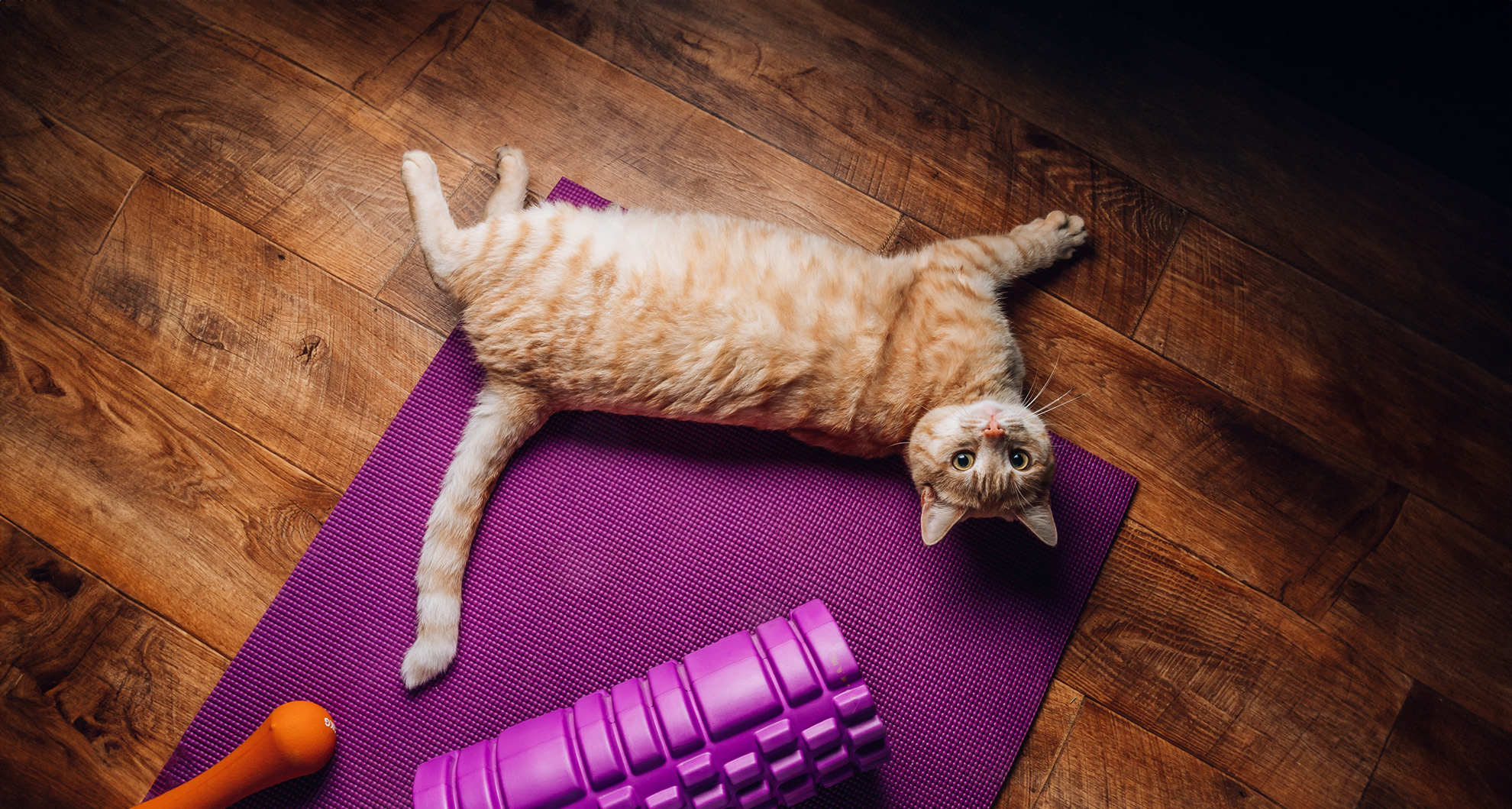
While most of us know that exercise is important, it can be easy to forget that this applies to our feline friends too. But why should we encourage our cats to move more and how do we do it? We explore all of this and more.
The importance of exercise
Exercise is important for cats in all the same ways that it is for other species too. Exercise is essential for good physical health. It helps to keep muscles toned, reduces the risk of unwanted weight gain, and allows cats to demonstrate some of their natural behaviours, like running, stalking, and pouncing.
We know that obesity can increase the risk of other health complaints including diabetes mellitus, osteoarthritis and cancer. Regular exercise can therefore help to keep pets trim and make these conditions less likely, which in turn helps to improve their lifespan.
As well as helping to keep your cat in good shape physically, exercise is important mentally. When we exercise, endorphins known as ‘feel good hormones’ are released in the body. This gives us a sense of achievement and satisfaction, contributing to mental well-being. Leading a sedentary lifestyle can make us feel sluggish and affect our mood, which will be true for our pets too.
The importance of mental stimulation
Mental stimulation is just as important as physical exercise for cats. There is some overlap between the two, with many forms of physical activity requiring cats to engage their brains as well.
In the wild, cats would need to use all their senses to survive. Domestic cats don’t need to be so alert in their comfortable home environments, so instead they should be mentally stimulated through a variety of toys, games, and human interaction.
A variety of activities will help to reduce boredom which can help manage your pet’s behaviour. Bored cats are much more likely to show unwanted or destructive behaviours in your home. This could result in ruined soft furnishings, curtain climbing or just generally being overly boisterous and aggressive.
Remember too, that mental stimulation is just as important for older cats as it is for younger ones, helping to slow cognitive decline and keep your pet engaged in the world around them.
How much exercise does a cat need?
It is normal for cats to only exercise in short bursts. They are not known for their endurance, and in the wild, they would spend time watching and stalking their prey, conserving their energy for the final chase and pounce. So, we must manage our expectations accordingly. Pet cats will often only have small periods of high-energy play, interspersed with plenty of rest periods.
Due to the variation between breeds, ages, and abilities, there is no set amount of exercise a cat should have, but around 30 minutes per day is widely thought to be an appropriate amount. This can be made up of a combination of activities and doesn’t all have to be in one go.
Ways to encourage exercise and mental stimulation
- Provide your cat with a climbing tower – climbing towers or cat trees encourage natural climbing and scratching behaviours in your cat. Not only will this give them a physical workout but lots of cats enjoy being high up, keeping an eye on their surroundings which is great mental stimulation.
- Use interactive toys – a feather or ball on a cat fishing pole makes a great chase toy. Drag it along the ground or bounce it up in the air to stimulate natural hunting behaviours. Play will help you to bond with your cat too.
- Puzzle feeders – Getting your cat to work for its dinner is great mental stimulation and can help to keep them moving. Try putting their dry kibble in a treat ball so that they have to bat it around the kitchen or consider an interactive puzzle feeder.
- Providing cardboard boxes – Cats love new hiding places, and jumping in and out of boxes can be great fun for them. Cardboard tubes can also be used to hide treats and kibble.
- Automated cat toys – Automated toys can help fill the gap while you are out of the house. Flapping fish, motorised mice, and hide-and-seek style toys can keep your cat busy in your absence.
Summary
Exercise is important both physically and mentally for our feline friends. It helps to keep them in shape, lowers the risk of various health complaints, and improves their mood. There are plenty of ways to encourage your cat to move – so try a few of our suggestions today!
Keep Reading
Keep Reading
Keep Reading
Follow us on Instagram
Follow us on Instagram