For Vets:

Share this article
Bladder Stones in Rabbits
Bladder Stones in Rabbits
Share this article
Bladder Stones in Rabbits
Bladder Stones in Rabbits
Share this article
Rabbits with bladder stones are often in pain but only display subtle signs of distress such as changes in movement and appetite. Other signs to look out for include weight loss, straining to urinate, frequent urination, wetness and skin irritation around the genital area due to urine scalding. Occasionally, there is blood in the urine.
Diagnosis of Bladder Stones
If your rabbit has bladder stones (especially large ones), surgery is necessary to remove them. The stones are typically composed of calcium salts and show up clearly in X-rays. Large stones can be palpated in the bladder while very small stones may only be detected through ultrasonography. Urinalysis is also necessary to detect any bacterial infections that need to be treated
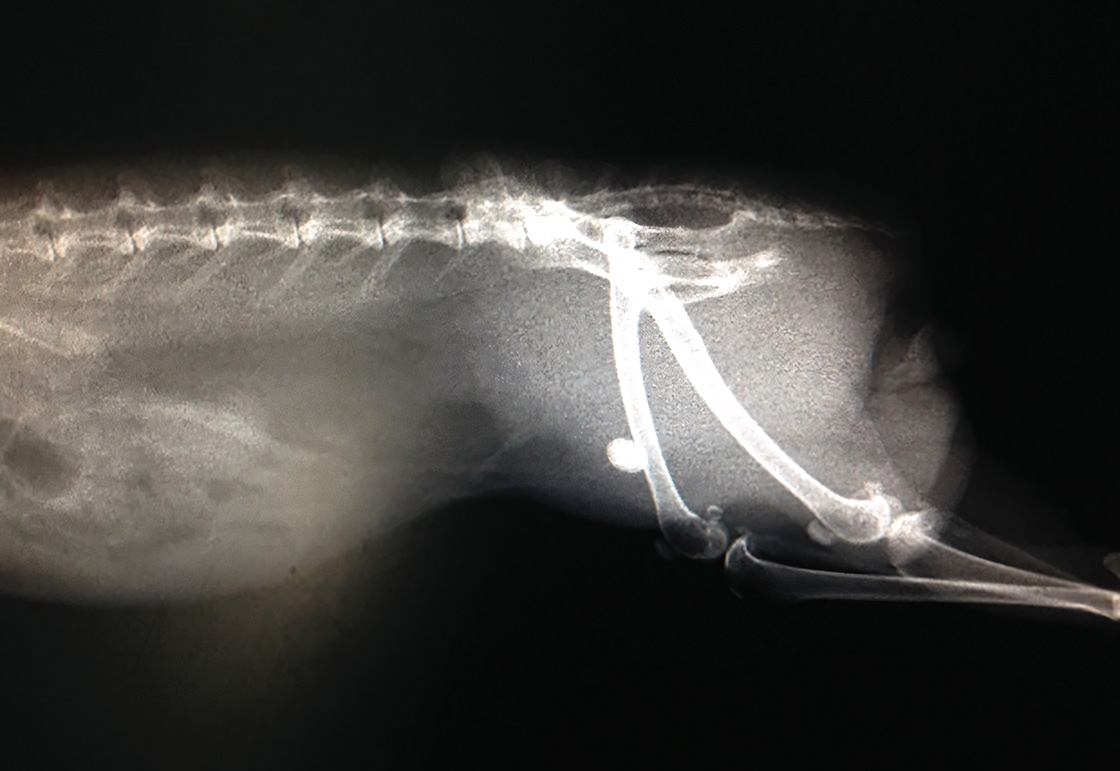
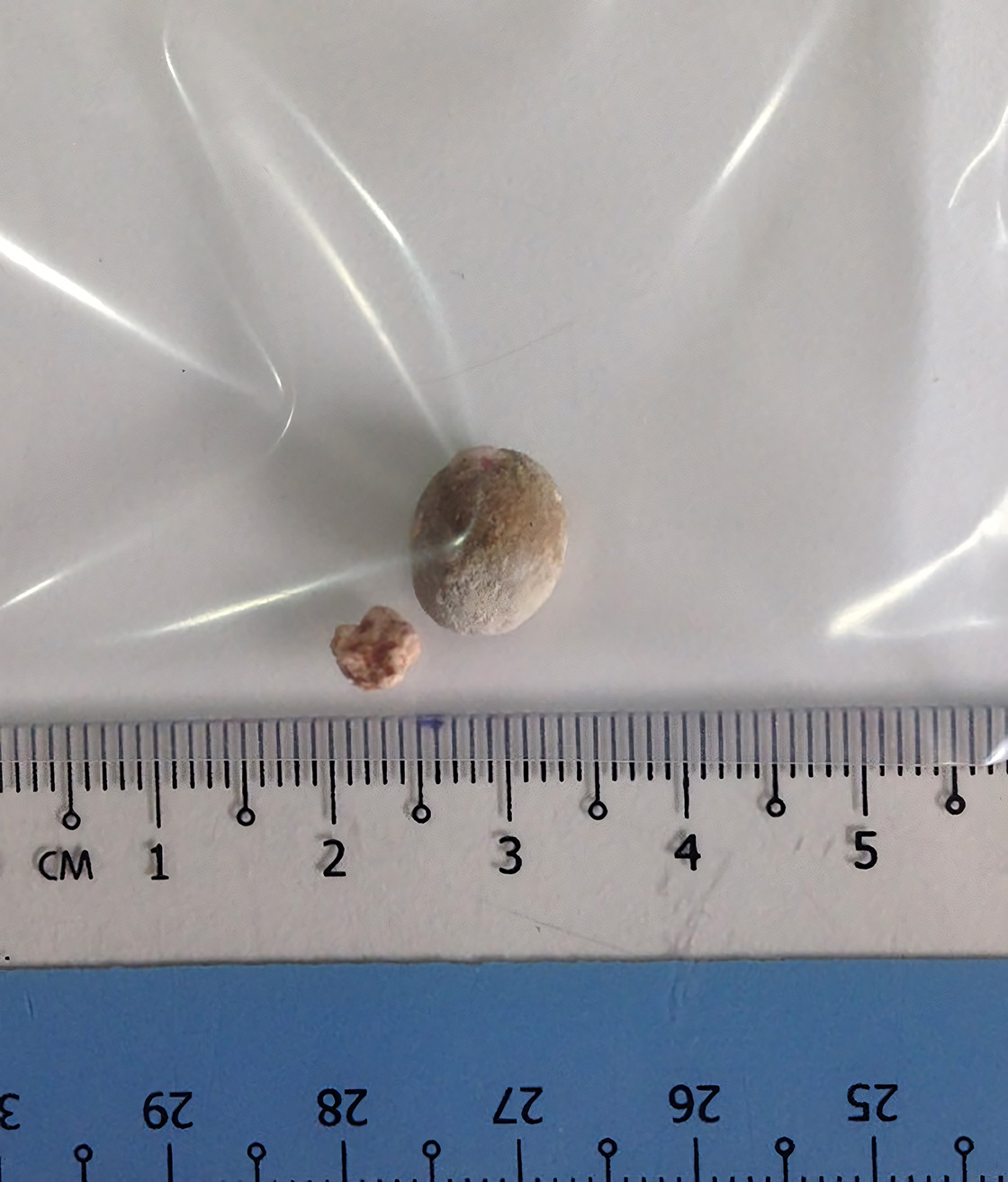
Uroliths (stones) come in all shapes and sizes. Small stones may be passed out when your rabbit urinates. Larger stones may lodge in the urethra, causing life-threatening bladder obstruction.
Some Factors That Cause Stone Formation
- Genetic Predisposition
- Insufficient Water Intake: Make sure the water bottle is not defective and your rabbit knows how to drink from it. It is more natural for rabbits to drink from a bowl. Use a heavy ceramic water bowl that is not easily overturned.
- Infrequent Urination: Could be due to lack of activity (overweight, arthritic, or caged up rabbit) or lack of appropriate/clean toilet area
- Kidney or Bladder Disease
- Inappropriate Diet: Excess calcium in the diet is excreted through the urinary tract where it may be deposited and form calculi in the kidneys, ureters, bladder, or urethra.
Treatment and Prevention
- If your rabbit has bladder stones (especially large ones), surgery is necessary to remove them. There is no known diet to dissolve these stones which may increase in size over time, causing further irritation or damage to the bladder wall.
- Increase water intake by providing unlimited hay comprising 80-90% of daily dietary intake, plenty of fresh water, and green leafy vegetables to keep the urine dilute.
- Provide ample out-of-cage time for exercise to encourage frequent urination and prevent weight gain.
- Schedule regular veterinary check-ups.
- Speak to your vet about the optimal diet for your rabbit to prevent the formation of bladder stones.
Dr Pauline Fong, Mount Pleasant Animal Clinic (North)
Keep reading
Keep reading
Keep reading
Rabbits with bladder stones are often in pain but only display subtle signs of distress such as changes in movement and appetite. Other signs to look out for include weight loss, straining to urinate, frequent urination, wetness and skin irritation around the genital area due to urine scalding. Occasionally, there is blood in the urine.
Diagnosis of Bladder Stones
If your rabbit has bladder stones (especially large ones), surgery is necessary to remove them. The stones are typically composed of calcium salts and show up clearly in X-rays. Large stones can be palpated in the bladder while very small stones may only be detected through ultrasonography. Urinalysis is also necessary to detect any bacterial infections that need to be treated
Uroliths (stones) come in all shapes and sizes. Small stones may be passed out when your rabbit urinates. Larger stones may lodge in the urethra, causing life-threatening bladder obstruction.
Some Factors That Cause Stone Formation
- Genetic Predisposition
- Insufficient Water Intake: Make sure the water bottle is not defective and your rabbit knows how to drink from it. It is more natural for rabbits to drink from a bowl. Use a heavy ceramic water bowl that is not easily overturned.
- Infrequent Urination: Could be due to lack of activity (overweight, arthritic, or caged up rabbit) or lack of appropriate/clean toilet area
- Kidney or Bladder Disease
- Inappropriate Diet: Excess calcium in the diet is excreted through the urinary tract where it may be deposited and form calculi in the kidneys, ureters, bladder, or urethra.
Treatment and Prevention
- If your rabbit has bladder stones (especially large ones), surgery is necessary to remove them. There is no known diet to dissolve these stones which may increase in size over time, causing further irritation or damage to the bladder wall.
- Increase water intake by providing unlimited hay comprising 80-90% of daily dietary intake, plenty of fresh water, and green leafy vegetables to keep the urine dilute.
- Provide ample out-of-cage time for exercise to encourage frequent urination and prevent weight gain.
- Schedule regular veterinary check-ups.
- Speak to your vet about the optimal diet for your rabbit to prevent the formation of bladder stones.
Dr Pauline Fong, Mount Pleasant Animal Clinic (North)
Keep reading
Keep reading
Keep reading
Rabbits with bladder stones are often in pain but only display subtle signs of distress such as changes in movement and appetite. Other signs to look out for include weight loss, straining to urinate, frequent urination, wetness and skin irritation around the genital area due to urine scalding. Occasionally, there is blood in the urine.
Diagnosis of Bladder Stones
If your rabbit has bladder stones (especially large ones), surgery is necessary to remove them. The stones are typically composed of calcium salts and show up clearly in X-rays. Large stones can be palpated in the bladder while very small stones may only be detected through ultrasonography. Urinalysis is also necessary to detect any bacterial infections that need to be treated
Uroliths (stones) come in all shapes and sizes. Small stones may be passed out when your rabbit urinates. Larger stones may lodge in the urethra, causing life-threatening bladder obstruction.
Some Factors That Cause Stone Formation
- Genetic Predisposition
- Insufficient Water Intake: Make sure the water bottle is not defective and your rabbit knows how to drink from it. It is more natural for rabbits to drink from a bowl. Use a heavy ceramic water bowl that is not easily overturned.
- Infrequent Urination: Could be due to lack of activity (overweight, arthritic, or caged up rabbit) or lack of appropriate/clean toilet area
- Kidney or Bladder Disease
- Inappropriate Diet: Excess calcium in the diet is excreted through the urinary tract where it may be deposited and form calculi in the kidneys, ureters, bladder, or urethra.
Treatment and Prevention
- If your rabbit has bladder stones (especially large ones), surgery is necessary to remove them. There is no known diet to dissolve these stones which may increase in size over time, causing further irritation or damage to the bladder wall.
- Increase water intake by providing unlimited hay comprising 80-90% of daily dietary intake, plenty of fresh water, and green leafy vegetables to keep the urine dilute.
- Provide ample out-of-cage time for exercise to encourage frequent urination and prevent weight gain.
- Schedule regular veterinary check-ups.
- Speak to your vet about the optimal diet for your rabbit to prevent the formation of bladder stones.
Dr Pauline Fong, Mount Pleasant Animal Clinic (North)
Keep reading
Keep reading
Keep reading
Follow us on Instagram
Follow us on Instagram